
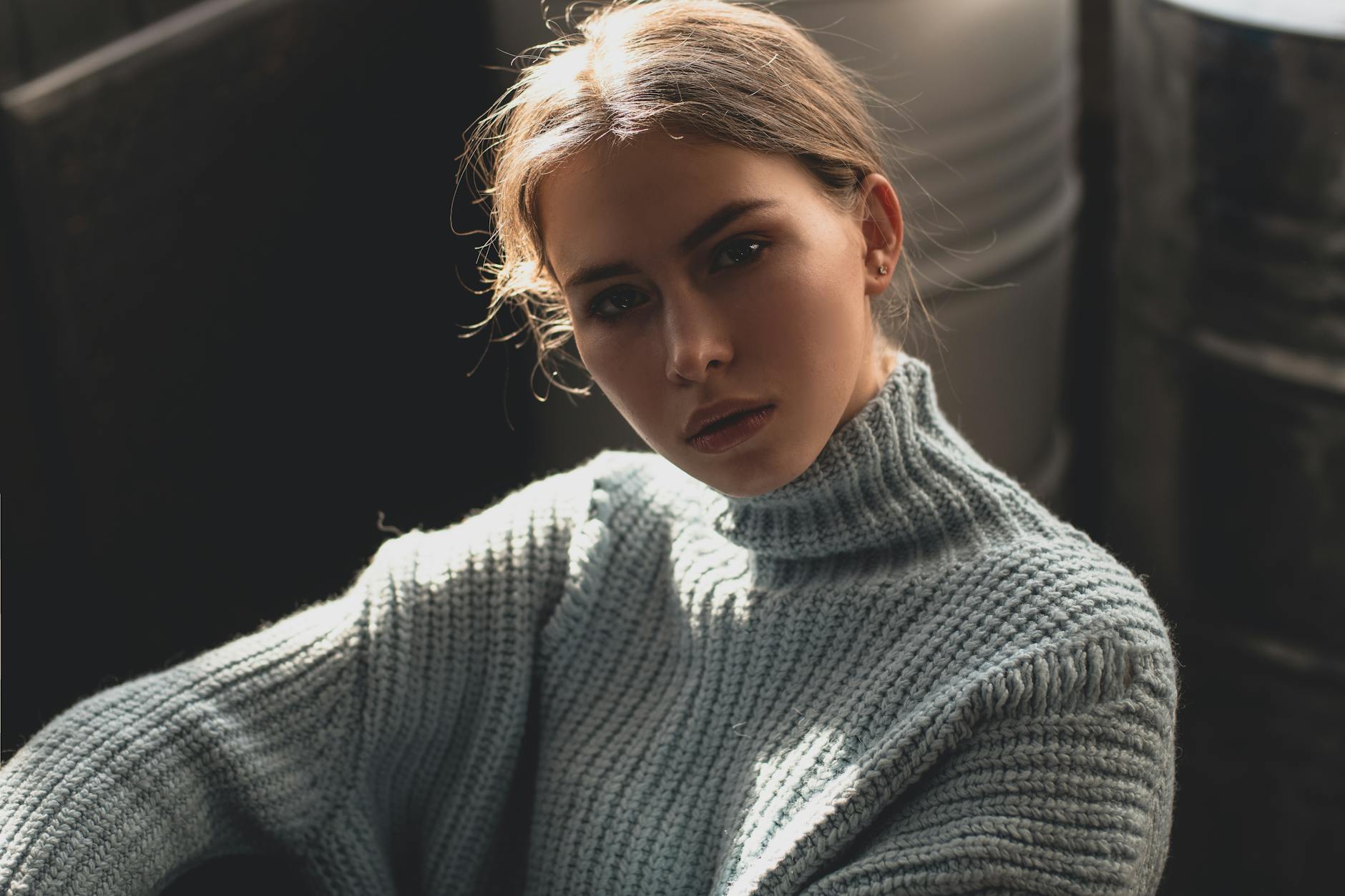
Sweaters have come a long way from their humble beginnings. As you dive into the world of knitwear, you’ll find a fascinating evolution that has brought us from chunky, handmade pieces to sleek, modern designs. Let’s explore how the designer women’s sweater has transformed over the years, reflecting changes in fashion, culture, and technology.
The Charm of Vintage Sweaters
Vintage sweaters carry a unique charm that modern designs often try to replicate. Think of the cozy, oversized knitwear from the 1950s and 60s. These pieces were all about comfort and warmth, often handmade with love and care. You might remember your grandmother knitting a sweater with intricate patterns and rich textures. These vintage styles are making a comeback, as fashion enthusiasts appreciate their timeless appeal and the craftsmanship behind them.
In the past, sweaters were mostly practical garments. Fishermen wore heavy, woolen sweaters to keep warm at sea, while people in cold climates relied on thick knits for everyday wear. Today, vintage sweaters are treasured for their nostalgic value and unique designs. When you wear a vintage-inspired designer women’s sweater, you’re not just wearing a piece of clothing; you’re embracing a piece of history.
Clik here to read more about timeless knitwear.
The Rise of Designer Knitwear
The late 20th century saw a significant shift in how sweaters were perceived and worn. High fashion houses began to recognize the potential of knitwear as a canvas for creativity and luxury. Designers started experimenting with new materials, techniques, and styles, transforming the humble sweater into a fashion statement.
During the 1980s, bold colors and patterns became a hallmark of designer women’s sweaters. Iconic designers like Missoni and Sonia Rykiel introduced vibrant stripes, zigzags, and abstract designs, making sweaters a must-have for the fashion-forward. These designers brought a new level of sophistication to knitwear, blending traditional craftsmanship with innovative designs.
Fast forward to today, and the designer women’s sweater has become a staple in many wardrobes. Whether it’s a minimalist cashmere pullover or an intricate cable-knit cardigan, contemporary designers continue to push the boundaries of what a sweater can be. The focus is not just on aesthetics but also on sustainability, with many designers using eco-friendly materials and ethical production methods.

Modern Trends in Sweater Design
In recent years, the fashion industry has seen a resurgence of interest in sweaters, driven by a desire for comfort and versatility. Modern trends emphasize both style and functionality, catering to a wide range of tastes and preferences. Here are some key trends you might notice:
Oversized and Chunky Knits: Oversized sweaters are all the rage, offering a relaxed and cozy fit. These pieces are perfect for layering and can be dressed up or down. Chunky knits, with their bold textures and exaggerated silhouettes, make a statement while keeping you warm.
Sustainable Materials: With growing awareness about environmental issues, many designers are turning to sustainable materials like organic cotton, recycled wool, and biodegradable fibers. These eco-friendly options ensure that your sweater is not only stylish but also kind to the planet.
Bold Patterns and Colors: Modern sweaters often feature eye-catching patterns and vibrant colors. From geometric designs to playful motifs, these sweaters add a touch of fun and personality to your outfit. Don’t be afraid to experiment with bold hues and unique prints.
Technological Innovations: Advances in technology have also influenced sweater design. Smart textiles, 3D knitting, and seamless construction techniques allow for greater creativity and precision. These innovations result in sweaters that are not only beautiful but also highly functional.
How to Style Your Sweater
Styling a designer women’s sweater is all about balance and creativity. Whether you’re going for a casual look or dressing up for an event, there are plenty of ways to make your sweater shine.
For a casual day out, pair an oversized sweater with skinny jeans and ankle boots. Add a statement necklace or a colorful scarf for a touch of flair. If you’re heading to the office, opt for a fitted sweater with tailored trousers and loafers. A sleek belt can cinch your waist and add structure to your outfit.
For a night out, don’t be afraid to play with textures and layers. A chunky knit cardigan over a silk dress creates a chic contrast, while a bold patterned sweater can be the centerpiece of your ensemble. Accessories like statement earrings or a stylish hat can elevate your look.
Have a look here for styling ideas.
Remember, the key to styling your sweater is confidence. Choose pieces that reflect your personal style and make you feel comfortable and fabulous.
Influential Designers in Sweater History
Sweaters have evolved dramatically over the years, and much of this evolution is thanks to some incredibly influential designers. These visionaries have not only shaped the way we view and wear knitwear but have also set the trends for decades. Let’s delve into the world of sweater design and explore the trailblazers who have left an indelible mark on fashion history.
Coco Chanel: The Pioneer of Casual Chic
Coco Chanel is a name synonymous with timeless elegance and effortless style. In the 1920s, Chanel revolutionized women’s fashion by introducing knitwear as a stylish and practical option. Before her influence, sweaters were primarily worn for sport or outdoor activities. Chanel’s designs brought sweaters into everyday fashion, making them a staple in women’s wardrobes.
You might recognize the iconic Breton striped sweater, popularized by Chanel, which remains a classic piece even today. Her designs emphasized comfort and simplicity, allowing women to move away from restrictive clothing. Chanel’s knitwear was not just about style but also about empowering women to dress with ease and sophistication.
Sonia Rykiel: The Queen of Knits
Sonia Rykiel, often referred to as the “Queen of Knits,” made a significant impact in the 1960s and 70s. Her approach to knitwear was revolutionary, focusing on the sensuality and freedom of movement. Rykiel’s designs were characterized by bold stripes, playful patterns, and a focus on the female form.
Rykiel introduced the concept of “inside-out” stitching, where the seams of sweaters were deliberately shown on the outside. This technique was groundbreaking and added a unique twist to traditional knitwear. Her signature striped sweaters became a symbol of Parisian chic and continue to inspire designers and fashion enthusiasts alike.
Missoni: Masters of Color and Pattern
When it comes to innovative use of color and pattern in knitwear, Missoni is a name that stands out. Founded by Ottavio and Rosita Missoni in 1953, this Italian fashion house is renowned for its vibrant and intricate designs. Missoni’s signature zigzag patterns, geometric shapes, and colorful stripes have become iconic in the world of fashion.
Missoni’s approach to knitwear is both artistic and technical. The brand’s use of fine yarns and advanced knitting techniques results in luxurious and eye-catching sweaters. Wearing a Missoni sweater is like wearing a piece of art, making it a must-have for any fashion-forward wardrobe.
Ralph Lauren: American Classic
Ralph Lauren brought a touch of American classicism to the world of knitwear. His designs are known for their preppy, timeless appeal, often inspired by the American East Coast lifestyle. Lauren’s sweaters, particularly the cable-knit variety, have become symbols of luxury and sophistication.
In the 1980s, Ralph Lauren’s Polo line popularized the idea of the designer women’s sweater as a versatile and essential wardrobe piece. His designs effortlessly blend casual elegance with high fashion, making them suitable for various occasions. Ralph Lauren’s knitwear is all about quality, comfort, and classic style.
Vivienne Westwood: Punk Rock Knitwear
Vivienne Westwood is a name associated with punk rock and rebellious fashion. Her approach to knitwear is no exception. Westwood’s designs often challenge conventional fashion norms, incorporating bold prints, asymmetrical cuts, and unconventional materials.
Westwood’s knitwear is known for its avant-garde and daring aesthetic. Her sweaters often feature exaggerated shapes, distressed details, and provocative patterns. Wearing a Westwood sweater is a statement of individuality and boldness, perfect for those who love to stand out.
Contemporary Influences: Stella McCartney and Sustainability
In recent years, sustainability has become a significant focus in the fashion industry, and designers like Stella McCartney are leading the charge. McCartney’s commitment to eco-friendly practices extends to her knitwear collections. She uses sustainable materials and ethical production methods to create stylish and environmentally conscious designs.
McCartney’s knitwear is characterized by clean lines, modern silhouettes, and a minimalist aesthetic. Her designs prove that you don’t have to sacrifice style for sustainability. By choosing a Stella McCartney sweater, you’re not only embracing high fashion but also supporting a more sustainable future.
If you want to learn more details about knitwear history and techniques, click here to learn more.
Embracing the Legacy of Iconic Designers
The influence of these iconic designers continues to shape the world of knitwear. Each brought their unique vision and creativity, transforming sweaters from simple garments to fashion statements. When you wear a designer women’s sweater inspired by these legends, you’re not just wearing a piece of clothing – you’re embracing a rich history of innovation and artistry.
In today’s fashion landscape, the legacy of these designers lives on through contemporary collections and emerging talents. As you explore the world of luxury knitwear, remember the trailblazers who paved the way. Their contributions have made it possible for you to enjoy the comfort, style, and versatility of a beautifully crafted designer women’s sweater.
Knitwear has played a fascinating role in the evolution of fashion. It has transformed from practical wear to high-fashion statements over the centuries. In this section, we’ll explore how knitwear, especially the designer women’s sweater, has evolved and influenced the world of fashion.
From Utility to Fashion Statement
Knitwear originally emerged out of necessity. Early civilizations used knitted garments for warmth and protection. Practicality was the key, with no emphasis on style. However, as societies evolved, so did their clothing preferences. Knitted garments began to take on new forms and styles, transitioning from simple, functional pieces to more elaborate designs.
The 1920s marked a significant turning point. This was when knitwear entered mainstream fashion, thanks to designers like Coco Chanel. Chanel introduced knitted garments that were not just practical but also stylish. Her designs made knitwear chic and acceptable in high society. The designer women’s sweater began to symbolize a blend of comfort and elegance, making it a wardrobe staple.
The 1950s and the Rise of Casual Elegance
The post-war era of the 1950s brought significant changes to fashion. There was a shift towards more casual and comfortable clothing. Knitwear, particularly the designer women’s sweater, became synonymous with this new trend. The decade saw the rise of twinsets and cardigan sets, which were both practical and fashionable.
This period also marked the beginning of mass production in the fashion industry. However, despite the rise of ready-to-wear garments, there was still a demand for unique and high-quality knitwear. The designer women’s sweater maintained its place as a symbol of elegance and sophistication, often featuring intricate designs and luxurious materials.
The Influence of Pop Culture in the 1980s
The 1980s were a time of bold fashion choices and vibrant colors. Pop culture icons like Madonna and Princess Diana had a significant impact on fashion trends. Knitwear was no exception. Designer women’s sweaters in bright colors, bold patterns, and oversized fits became extremely popular.
This decade saw the designer women’s sweater as a canvas for creativity. Fashion designers experimented with textures, patterns, and silhouettes. The influence of pop culture made knitwear more accessible and versatile. It was not just about staying warm anymore; it was about making a fashion statement.
Modern Day Knitwear: Sustainability and Innovation
Today, knitwear continues to evolve, driven by sustainability and innovation. The modern fashion industry is increasingly focused on eco-friendly practices. Designers are turning to sustainable materials and ethical production methods to create high-quality knitwear. The designer women’s sweater has become a symbol of responsible fashion choices.
Technological advancements have also played a significant role in the evolution of knitwear. Modern knitting techniques allow for more intricate designs and better-quality garments. You can find designer women’s sweaters that are not only stylish but also durable and comfortable. This blend of tradition and innovation makes knitwear a timeless piece in any wardrobe.
The Versatility of Knitwear in Fashion
Designers have continually pushed the boundaries of what knitwear can be. From oversized sweaters to fitted cardigans, there are countless styles to choose from. This versatility ensures that knitwear remains relevant in the ever-changing world of fashion. You can express your unique style while staying comfortable and chic.
The Enduring Appeal of the Designer Women’s Sweater
The designer women’s sweater has a timeless appeal. It combines comfort, style, and practicality in one elegant package. Over the years, it has evolved to meet changing fashion trends while maintaining its core attributes. This enduring appeal makes it a valuable addition to any wardrobe.
As you look back at the history of knitwear, it’s clear that the designer women’s sweater has played a crucial role in fashion evolution. It has adapted to cultural changes, technological advancements, and consumer demands. This adaptability is what ensures its place in the future of fashion.
Knitwear as an Expression of Personal Style
Finally, knitwear allows for personal expression. With a wide range of styles, colors, and patterns, you can find a designer women’s sweater that reflects your personality and taste.
Sustainable and Ethical Fashion
Sustainability is becoming a key focus in the fashion industry, and knitwear is no exception. Designer women’s sweaters are increasingly being made with eco-friendly materials and ethical production practices. You’ll find sweaters made from organic cotton, recycled wool, and even innovative fabrics like bamboo and hemp.
Ethical fashion also means fair labor practices. More designers are ensuring that their garments are produced in factories that provide fair wages and safe working conditions. When you buy a sustainable designer sweater, you’re not just investing in a beautiful piece of clothing; you’re supporting a movement towards a more ethical and responsible fashion industry.
Bold Colors and Patterns
Future trends in designer women’s sweaters are leaning towards bold and vibrant colors. Pastel shades and neutrals are making way for bright reds, deep blues, and even neon hues. These colors add a pop of fun and excitement to your wardrobe, allowing you to express your personality.
Patterns are also getting more adventurous. Expect to see a mix of geometric shapes, floral prints, and abstract designs. Animal prints and retro patterns are making a comeback, giving you a range of options to choose from. These bold patterns make your designer women’s sweater a statement piece, perfect for standing out in a crowd.
Oversized and Layered Looks
The oversized trend is here to stay. Loose, comfortable sweaters that you can layer over other pieces are becoming a staple in designer knitwear. These sweaters offer versatility, allowing you to create various looks depending on how you style them. You can wear them over a dress for a chic layered look or pair them with jeans for a more casual vibe.
Layering isn’t just about putting on more clothes; it’s about creating depth and texture in your outfit. Designers are experimenting with different knit textures and weights to create unique layered looks. An oversized designer women’s sweater can be the perfect base for building a stylish, multi-dimensional outfit.
Return of Vintage Styles
Vintage styles are making a comeback in the world of knitwear. Think retro patterns, classic cuts, and nostalgic designs. These vintage-inspired sweaters bring a sense of timeless elegance to your wardrobe. You can expect to see styles from the 70s, 80s, and 90s reimagined with a modern twist.
The return of vintage styles also means a focus on quality craftsmanship. Many vintage pieces were made to last, and modern designers are bringing this same level of durability to their creations. A vintage-style designer women’s sweater is not just a fashion statement; it’s an investment in quality.
Gender-Fluid Designs
Fashion is becoming more inclusive, and gender-fluid designs are gaining popularity. Designer women’s sweaters are being created with a more androgynous approach, suitable for anyone regardless of gender. These designs focus on comfort, functionality, and style, breaking away from traditional gender norms.
Gender-fluid knitwear often features simple, minimalist designs that are versatile and timeless. You can mix and match these pieces with any wardrobe, making them a practical and stylish addition. This trend towards inclusivity reflects a broader cultural shift towards acceptance and diversity in fashion.
The Rise of Artisanal Knitwear
Artisanal knitwear is gaining recognition in the fashion industry. These pieces are handmade by skilled artisans, often using traditional techniques passed down through generations. When you buy an artisanal designer women’s sweater, you’re not just getting a piece of clothing; you’re getting a work of art.
Artisanal knitwear often features intricate patterns and unique designs that are not possible with machine-made garments. These sweaters are made in limited quantities, adding to their exclusivity. Supporting artisanal knitwear also means supporting small businesses and preserving traditional crafts – businesses just like ours so why not trying our unique sweaters? We think you’ll never want to wear anything else!